

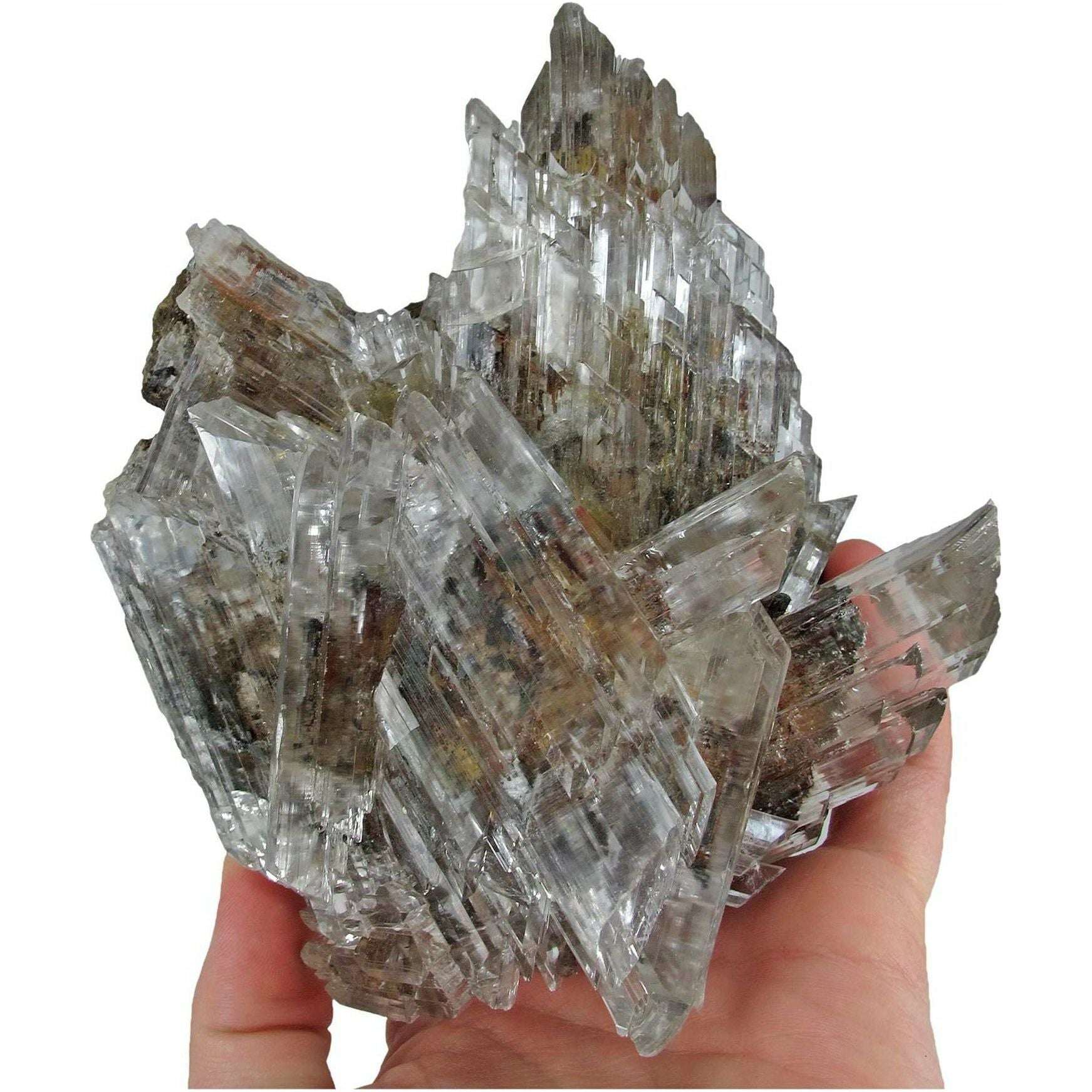
Selenite Clusters
Ships from
Pickup available at Alternity
Usually ready in 24 hours
Selenite Clusters
$275
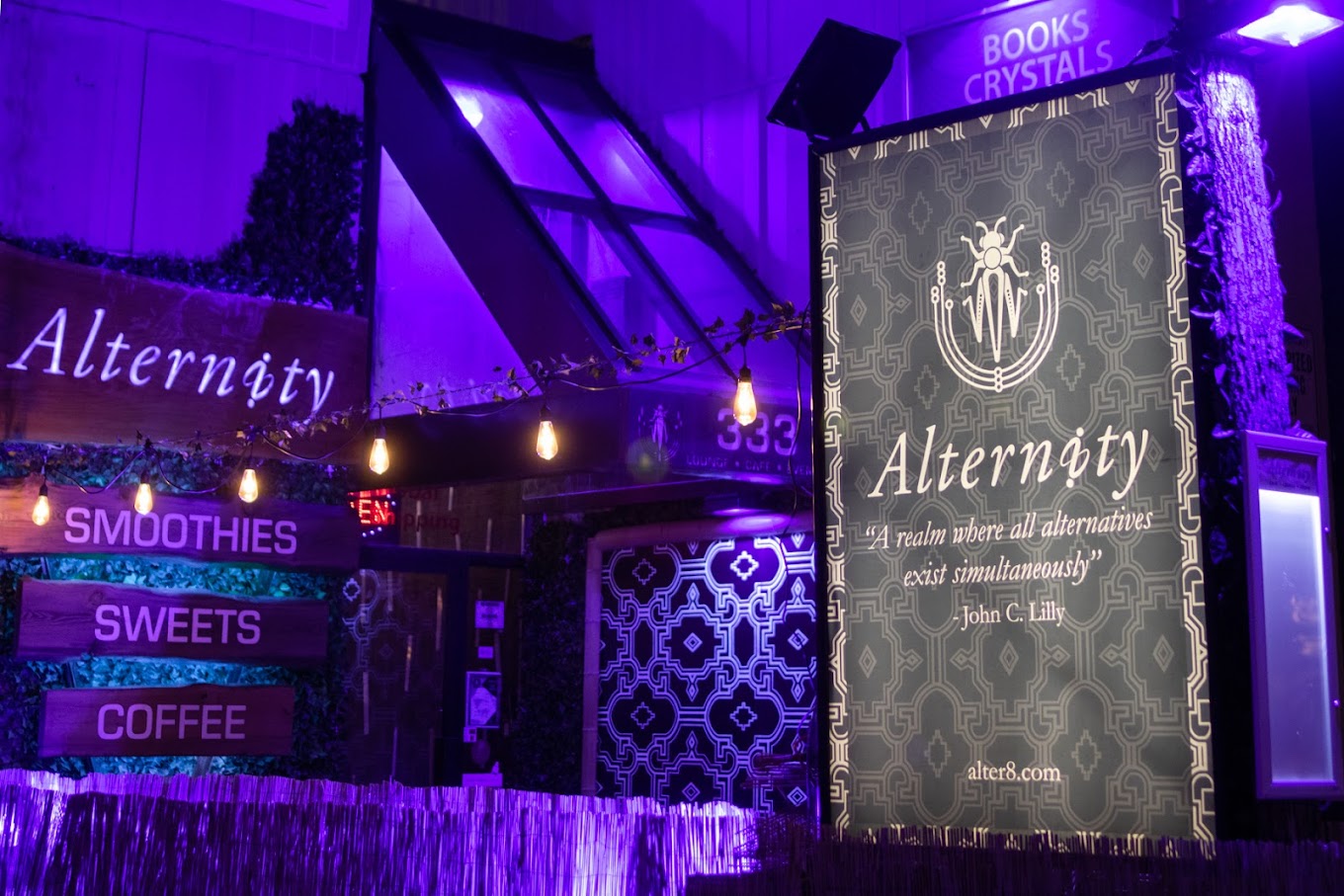
Alternity
333 Bloor St W
Toronto ON M5S 1W7
Canada
Natural selenite clusters — branching crystalline formations with the stone's characteristic pearly, moon-like glow.
Details
- Form: Cluster
- Origin: Morocco
- Mineral: Satin Spar (a fibrous form of gypsum, sold as Selenite in the trade)
About the stone
Selenite is a crystallized form of gypsum. Most stones sold today as 'selenite' are technically Satin Spar — a closely related fibrous gypsum that retains the same properties and characteristic shimmer. The name comes from the Greek selene, meaning moon, after the stone's pearly, moon-like glow under light.
In crystal tradition
In crystal tradition, selenite is associated with the crown and higher chakras, and is long-valued as a clearing and high-vibration stone. Often used to cleanse and charge other crystals — a piece of selenite kept on the altar or near other stones is a common practice. Carried as a touchstone for spiritual practice, meditation, and quieting the mind.
Care
Selenite is water-soluble — it will dissolve in water, so do not wash it under the tap or place it in a sea-salt cleansing bath. Cleanse with sound (singing bowls, bells), smoke, or moonlight instead. Soft stone — handle gently, avoid drops.
Each piece is one of a kind. Natural variations in colour, shape, size, and pattern are part of what makes the stone what it is — the photograph shows a representative example, your piece will look slightly different.
Choose options