



Myrrh Resin
Ships from
Pickup available at Alternity
Usually ready in 24 hours
Myrrh Resin
Alternity
333 Bloor St W
Toronto ON M5S 1W7
Canada
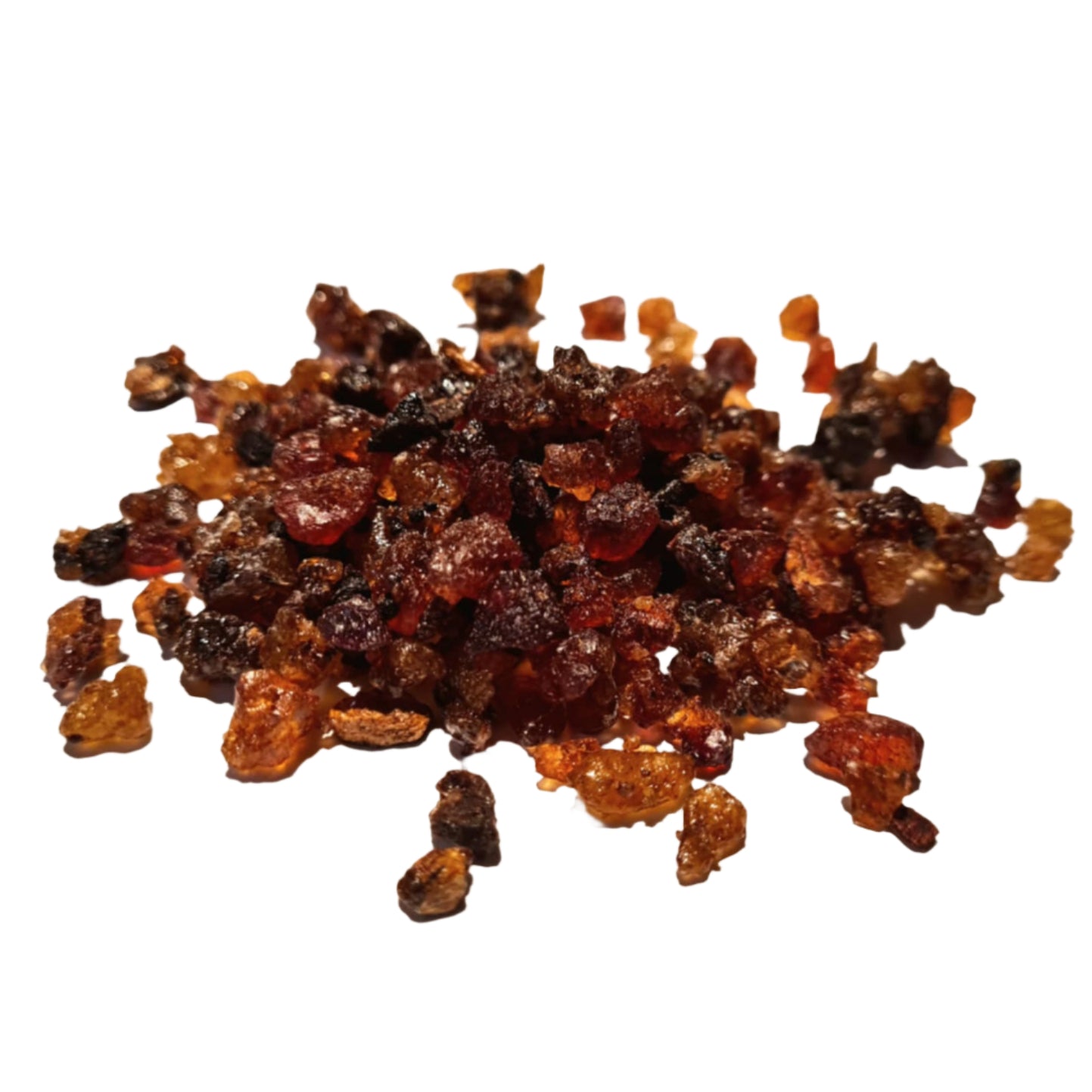
Whole myrrh resin — the dried sap of Commiphora trees, with a smoky, earthy, balsamic aroma. One of the most ancient incense resins in human practice.
Details
- Origin: India
- Whole resin nuggets
- Burns on charcoal disc
Tradition
Myrrh has been used as incense for over five thousand years. Native to Ethiopia, Somalia, and the Arabian Peninsula, it appears in ancient Egyptian embalming practice (as far back as 3000 BCE), in Greek and Roman temple rites, and in Christian liturgical tradition (one of the three gifts of the Magi). Long-valued in Middle Eastern, North African, and Mediterranean ceremonial practice. Romans valued myrrh as much as gold; it was sometimes used as collateral for monetary debts.
How to use
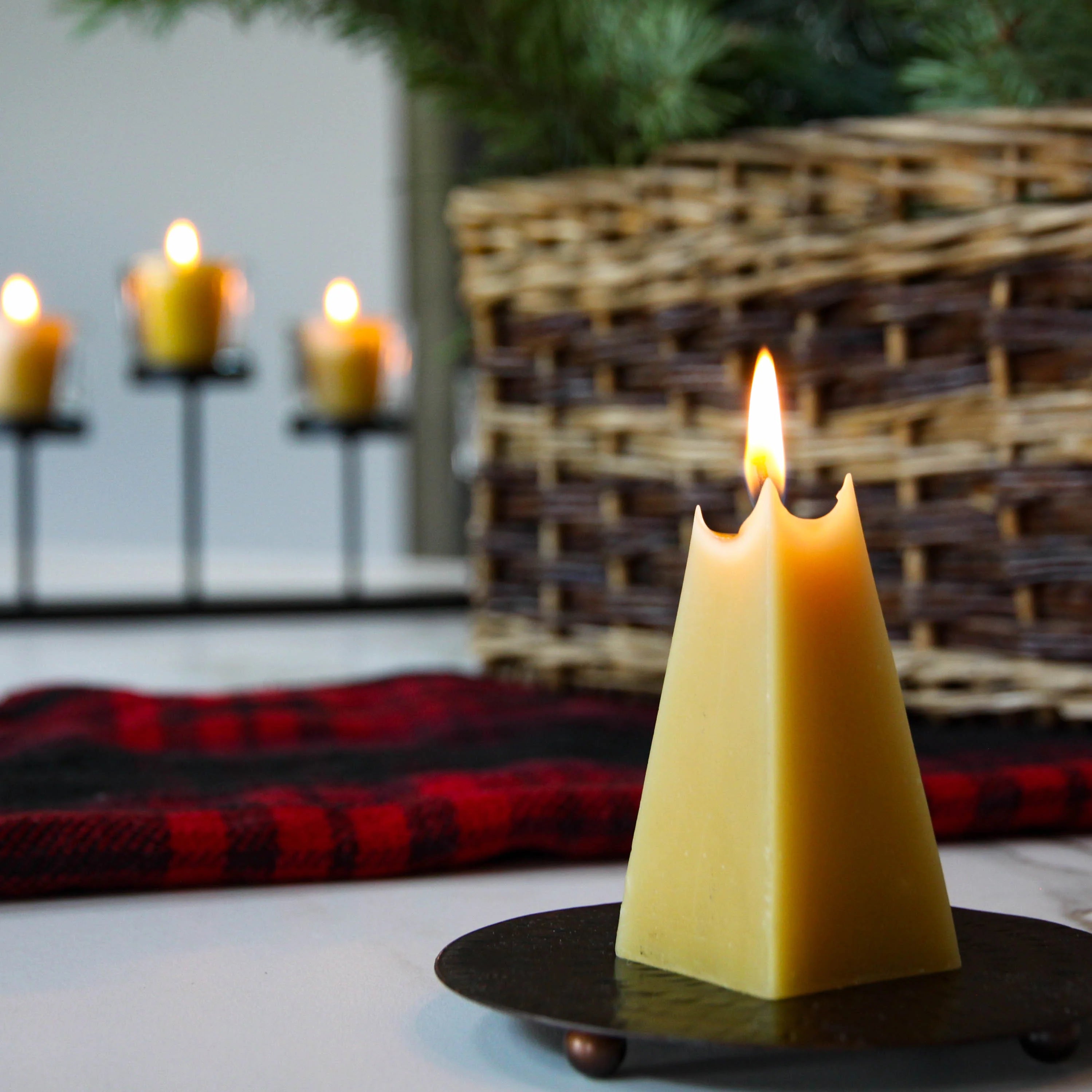
Place a small piece (the size of a pea) on a hot charcoal disc set in a heat-safe burner. The resin will melt and release a thick, fragrant smoke over 5-15 minutes. One piece can be re-lit. Alternatively, sprinkle a small amount on top of a burning candle to release aroma as the candle burns. Always burn in a well-ventilated space.
About the resin
Myrrh is harvested by making small incisions in the bark of the tree. The resin oozes out and is allowed to harden over several weeks before being collected. The dried resin is then sorted by colour, clarity, and aroma — finer grades for ceremonial use, lesser grades for industrial purposes.
Care & safety
Always smudge in a well-ventilated space. Place the smouldering bundle on a heat-safe surface — abalone shell, ceramic bowl, or stone — to catch ash and embers. Never leave a burning bundle unattended. Keep away from curtains, paper, pets, and anything flammable. To extinguish, gently press the lit end into sand, ash, or a stone surface. Charcoal discs reach very high temperatures — handle with tongs only. Place in a sand-filled, heat-safe burner.
Storage
Store in a cool, dry place. Keep sealed if possible to preserve the aromatic oils.
Choose options